
 (612) 236-0055
Wrongful Death Lawyer in Minnesota
Steady, compassionate guidance for families after a preventable loss.
Losing a loved one changes everything. When that loss was caused by someone else's negligence, the legal process can feel impossible to face. Our role is to take that weight off your shoulders — handling the investigation, claims, and communication so your family can focus on each other.
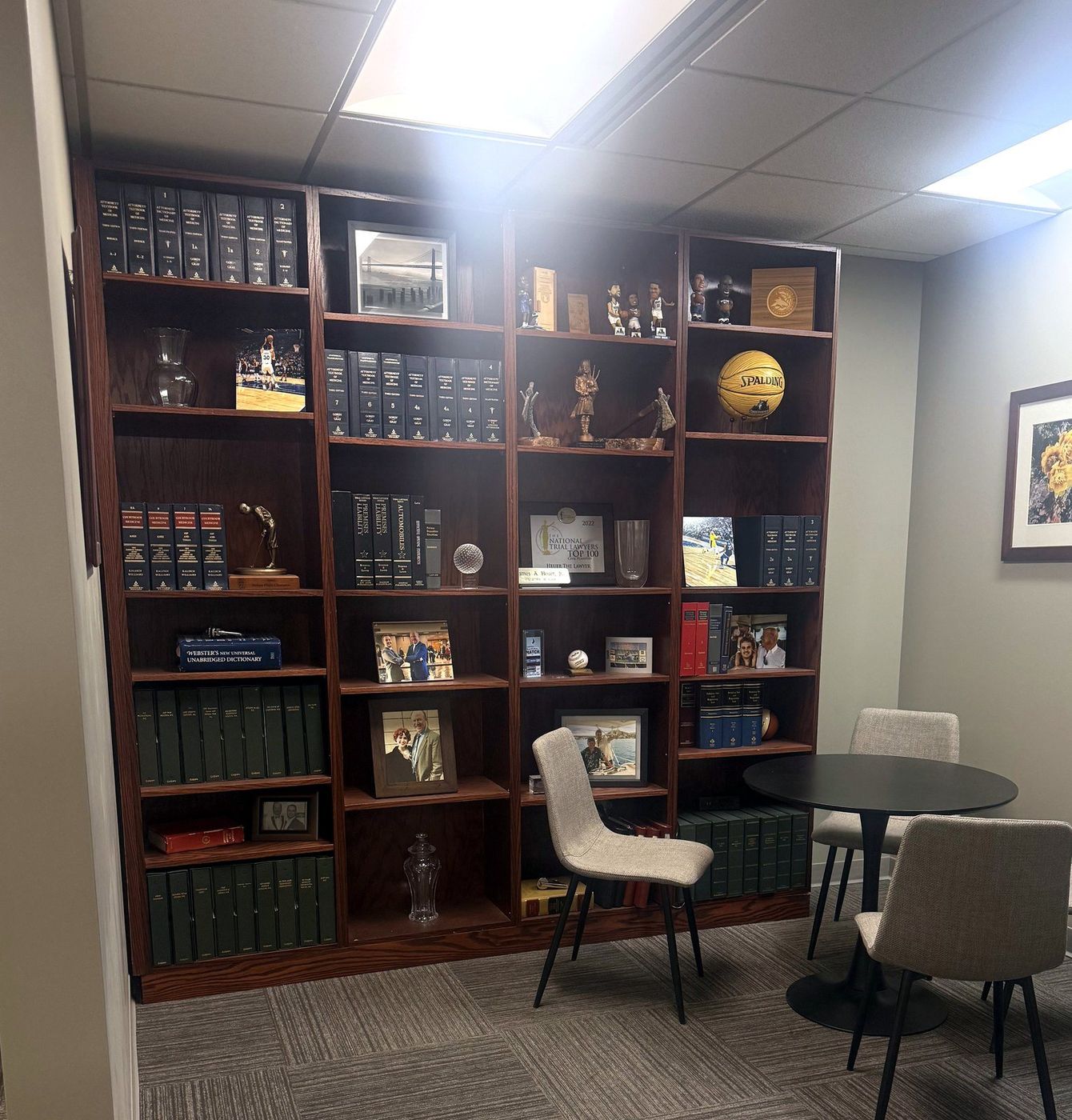
Legal Help After a Wrongful Death
A brief look at what these cases involve, who brings them, and how we can help carry the weight.
What a Wrongful Death Claim Is
A wrongful death claim is a civil case filed by surviving family members when a loved one is killed due to another party's negligence or wrongful act.
Who Can File in Minnesota
Minnesota law designates a court-appointed trustee, often a close family member, to bring the claim on behalf of the next of kin.
Our Role
We handle the investigation, the paperwork, and the insurance conversations — quietly and thoroughly — so your family can take the time you need.
Common Situations We Handle
Wrongful death claims arise from many different circumstances. Each calls for its own approach — careful, quiet, and focused on the family's needs.
Fatal Auto & Trucking Accidents
Highway collisions and commercial trucking crashes are among the most common causes of preventable loss. These cases often involve multiple insurers and detailed crash reconstruction.
Medical Negligence Deaths
Misdiagnoses, surgical errors, and medication mistakes can have irreversible consequences. These claims rely on medical records and careful expert review.
Workplace Fatalities
Construction, manufacturing, and transportation work carry real risks when safety practices fall short. Claims can run alongside workers' compensation benefits in many situations.
Defective Product Deaths
Consumer, medical, and industrial products can fail in ways that lead to catastrophic harm. Preserving the product itself is often an important first step.
Premises Liability Fatalities
Unsafe conditions on commercial, residential, or public property can lead to fatal injuries. Maintenance history and inspection records are often central to these cases.
Nursing Home Neglect
Inadequate care, missed warning signs, and staffing failures can cause preventable deaths in long-term care. Facility records and resident histories usually form the heart of the case.
How We Help
A careful, discreet approach built around reducing the burden on your family while the case moves forward.
Case Evaluation
We begin with a quiet conversation at a pace that works for you. There is no pressure to decide anything in the first meeting — just a chance to understand what happened and what options may exist.
Investigation
We gather records, work with medical and technical experts, and speak with witnesses so your family doesn't have to. When the trustee is appointed, we coordinate every procedural step.
Negotiation
We present a complete picture of the loss to the responsible parties and their insurers, and work toward a resolution that reflects both the economic and personal weight of what was taken.
Litigation
If a fair resolution isn't available, we are prepared to bring the case to court. We handle the courtroom presentation and prepare your family gently for whatever role, if any, you choose to play.
Recent Case Results
View Additional Case Results$1,250,000
Wrongful Death
Settlement for a family whose loved one was killed in a commercial trucking accident on I-35.
$1,100,000
Wrongful Death
Settlement for the family of a husband and father killed when a hunting companion's loaded shotgun discharged. Full insurance policy limits recovered.
$50,000
Wrongful Death
Coverage secured for the family of a passenger killed in a crash, after the insurer initially denied the claim.
Representative results. Past results do not guarantee future outcomes.
Common Causes of Wrongful Death
Understanding what led to the loss helps shape the legal path forward. A few patterns come up more often than others.
Motor Vehicle & Trucking Crashes
Passenger-vehicle and commercial-truck collisions remain among the most common causes of preventable death. These cases often involve crash reconstruction and multiple insurance policies.
Medical Negligence
Errors in diagnosis, medication, or surgical care can have consequences that cannot be undone. Complete medical records and independent expert review are usually required to understand what occurred.
Workplace & Construction Incidents
Falls, equipment failures, and unsafe practices on job sites are leading causes of workplace fatalities. OSHA records and employer safety documents are often part of the case.
Dangerous or Defective Products
Products with design flaws, manufacturing defects, or inadequate warnings can cause catastrophic harm. Preserving the product and its packaging is often an important early step.
Unsafe Property Conditions
Known hazards on commercial, residential, or public property can contribute to fatal injuries. Maintenance, inspection, and incident records are usually central to the investigation.
Nursing Home or Long-Term Care Neglect
Understaffing, missed assessments, and inadequate response to changes in a resident's condition can cause preventable deaths. Facility records and staffing logs often tell much of the story.
Understanding Minnesota Wrongful Death Law
Who Can Bring a Claim (Trustee Appointment)
In Minnesota, a wrongful death claim is brought by a court-appointed trustee on behalf of the next of kin. The trustee is often a close family member, and the appointment process is a straightforward step we can guide you through.
Statute of Limitations in Wrongful Death Cases
Wrongful death claims in Minnesota generally must be filed within three years of the date of death. Some situations — such as those involving public entities — have shorter deadlines, which is why it helps to speak with an attorney early.
Types of Damages Available to Families
Recoverable damages typically include medical and funeral expenses, loss of financial support, and loss of counsel, guidance, and companionship. Every family's circumstances are different, and the picture is tailored to those specifics.
How These Cases Differ from Criminal Proceedings
A wrongful death claim is a civil matter, separate from any criminal case that may exist. A family can pursue a civil claim regardless of whether criminal charges are filed or how those proceedings resolve.
Frequently Asked Questions
A wrongful death claim is a civil case brought by the family to recover damages; a criminal case is brought by the state to determine whether a crime was committed. The two can run in parallel and have different standards of proof. Your family can pursue a civil claim regardless of what happens on the criminal side.
A trustee is appointed by the court and is often a spouse, parent, adult child, or other close family member. The appointment itself is a straightforward procedural step, and we guide families through it. The trustee brings the claim on behalf of the next of kin, not for personal benefit.
Recoverable damages typically include medical and funeral expenses, loss of financial support, and loss of counsel, guidance, and companionship. The specific picture is shaped by the circumstances of the loss and the family's situation. We take time to understand both before framing the claim.
Minnesota generally provides three years from the date of death to file a wrongful death claim. Some circumstances — such as claims against public entities — have shorter deadlines. An early conversation helps clarify which timeline applies, even if your family isn't ready to make any decisions yet.
We work on a contingency fee basis, which means there are no upfront costs and no fees unless we recover on your family's behalf. Consultations are always free and confidential, and there is no obligation to move forward after speaking with us.
Speak With Us
When You're Ready
There is no pressure and no obligation. When your family is ready for a conversation, we are here to listen and to walk you through what a claim might involve.

100%
Confidential & Free